
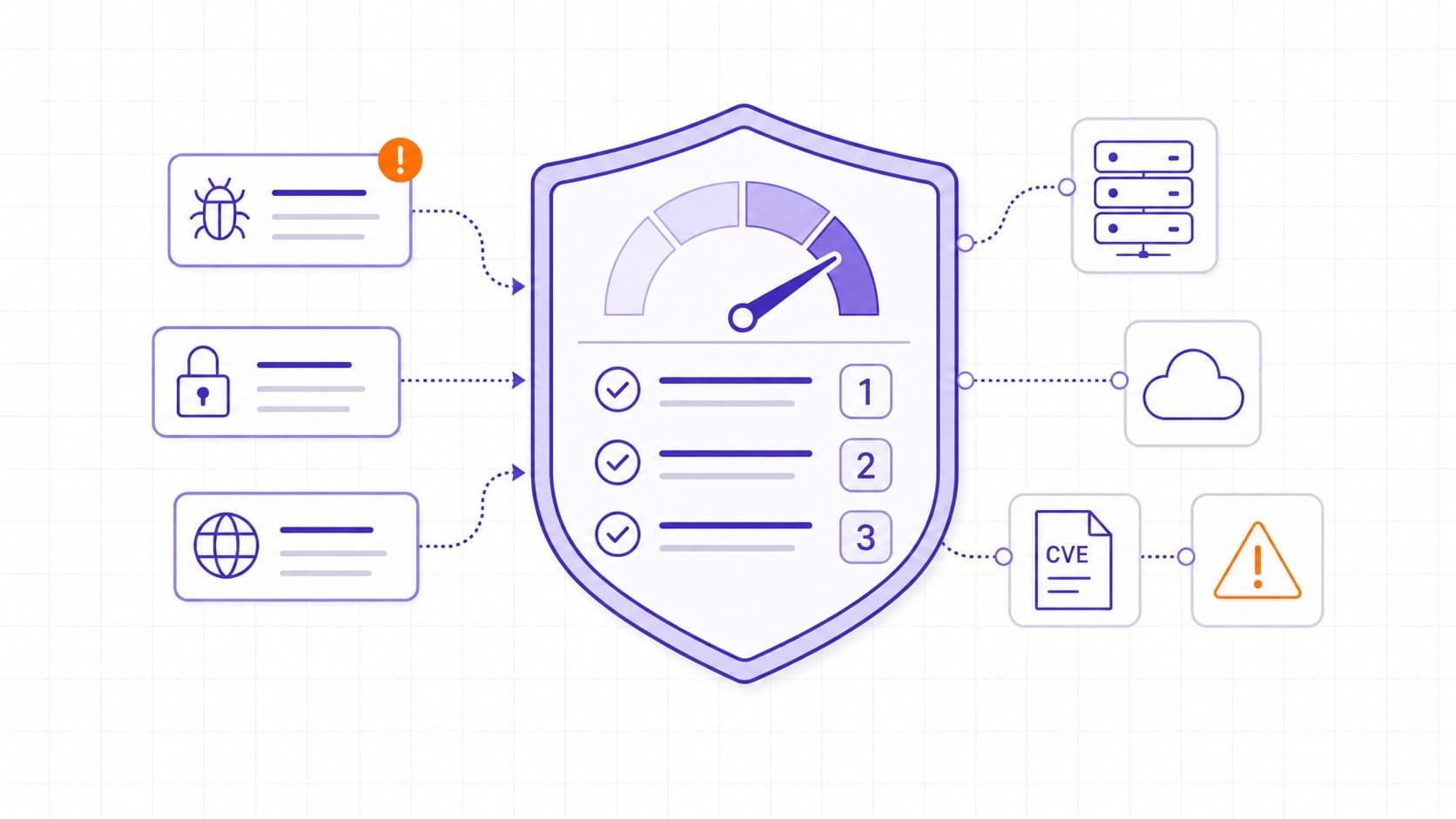
Vulnerability prioritization is the process of ranking confirmed vulnerabilities so the team can address the riskiest work first. It is a decision process, not simply a sort by CVSS score.
A scanner may return hundreds of findings. A critical CVSS score on a retired internal test host and a medium-severity issue on an internet-facing customer portal should not automatically receive the same treatment. Priority changes with asset value, exposure, compensating controls, exploit evidence, and the time needed to reduce risk.
Prioritization sits between discovery and remediation in a vulnerability management workflow. It gives owners a defensible order for patching, configuration changes, temporary mitigations, or accepted risk.
Why CVSS Alone Does Not Define Urgency
CVSS is a common way to describe the technical characteristics and severity of a vulnerability. The standard assigns a score from 0.0 to 10.0, but it does not calculate the business impact of a finding in a particular environment.
The CVSS guide explains this distinction in more detail.
Treat CVSS as the opening signal. Then add the context that a generic score cannot know:
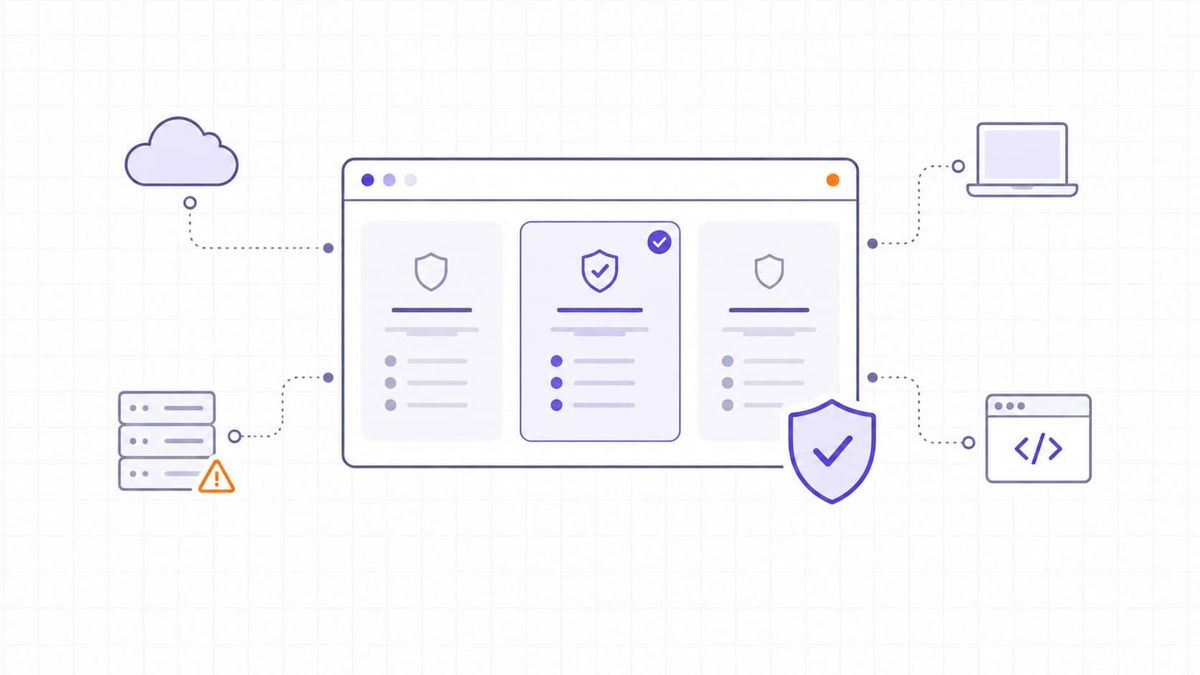
- Asset criticality. A payment service, identity provider, production database, and disposable test VM do not carry the same operational impact. Maintain an inventory with an owner and a simple criticality label for each asset.
- Exposure and reachability. An unpatched service reachable from the public internet may need a faster response than the same service behind a restricted internal network. Exposure is relevant, but it is still worth checking whether the vulnerable component is actually reachable.
- Exploitation evidence. CISA's Known Exploited Vulnerabilities Catalog records vulnerabilities with evidence of exploitation in the wild. A relevant KEV entry is a strong signal to escalate a finding. EPSS adds a probability estimate for exploitation in the next 30 days, rather than a yes-or-no verdict.
- Business and operational impact. Consider what would happen if the affected service were unavailable, altered, or accessed without authorization. Also note patch windows, dependencies, and available rollback plans.
- Existing controls. Network segmentation, a compensating control, or a disabled feature can lower immediate exposure. Document the control and review it, rather than assuming it permanently removes risk.
For background on CVE identifiers and what they do not tell you, see What Are CVEs?
A CVE identifies a publicly known vulnerability; it does not prove that a specific asset is exploitable.
Inputs For a Consistent Priority Decision
The best workflow uses a small, repeatable set of inputs. Teams do not need a complex proprietary formula to start. They do need evidence that is recorded consistently.
|
Signal |
Question to ask |
Effect on priority |
|
Technical severity |
What do the CVSS vector and vendor advisory say about impact and attack conditions? |
Sets an initial triage level, but never the final priority alone. |
|
Asset context |
Is the asset production, business-critical, regulated, or a shared control point? |
Raises priority when disruption or data exposure would materially affect the organization. |
|
Exposure |
Is the affected service internet-facing, reachable by untrusted users, or broadly accessible internally? |
Raises urgency when the attack path is short and realistic. |
|
Exploitation evidence |
Is the CVE in CISA KEV, linked to active exploitation reporting, or assigned a high EPSS probability? |
Moves validated findings toward immediate review and remediation. |
|
Remediation feasibility |
Is a tested patch available, or is a temporary mitigation required? |
Shapes the action plan and the due date, not the underlying risk. |
Do not hide uncertainty inside a score. If the scanner cannot confirm the installed version or the vulnerable code path, label the finding for validation. This avoids spending an emergency change window on a false positive while keeping a potentially exposed asset visible.
A Four-Step Vulnerability Prioritization Workflow
Validate The Finding and Identify the Owner
Confirm that the affected software, version, and asset are in scope. Link the finding to a technical owner who can confirm whether the component is present and exposed. Validation does not mean waiting for perfect proof before acting: a public, critical asset with a credible active-exploitation signal can receive immediate containment while the team verifies details.
Enrich It with Asset and Threat Context
Attach the asset's owner, environment, criticality, internet exposure, data sensitivity, and dependency role. Add vendor advisories, CISA KEV status, and EPSS where the finding has a CVE. FIRST describes EPSS as a model estimating the probability that a published CVE will be exploited in the wild within the next 30 days. Use it as one signal, alongside local context.
Assign An Action and a Due Date
Create a clear decision: patch, change configuration, isolate or disable the service, apply a compensating control, accept the risk for a defined period, or investigate further. The owner and due date should be visible. Contractual or regulatory requirements may set remediation deadlines, but their exact rules differ by program and environment. Check the applicable contract, framework, and version instead of applying one universal timeline.
Verify And Keep the Record Current
After remediation, rescan or otherwise verify the fix. Record evidence, the remediation date, and any remaining limitation. A finding can return after a rollback, a new deployment, or rediscovery of an unmanaged asset. Closing the ticket without verification produces a clean dashboard, not necessarily a safer system.
Risk-Based and Threat-Informed Prioritization Work Together
Risk-based prioritization asks how much harm a successful exploitation could cause in your environment. It therefore emphasizes asset criticality, business process impact, data sensitivity, and exposure.
Threat-informed prioritization asks whether attackers are likely to use the weakness now. It uses evidence such as CISA KEV, vendor alerts, threat reporting, exploit availability, and EPSS. This method is especially valuable when the queue contains many technically severe CVEs.
Use both. A high-severity finding on a public production service with a KEV entry is normally an immediate decision. A medium-severity finding may also move to the top if it enables access to an identity system or a sensitive API. Conversely, a high CVSS score on an isolated, decommissioning asset can be scheduled after the team confirms the isolation and retirement date.
A useful operational distinction is that KEV and EPSS answer different questions. KEV is evidence of known exploitation, while EPSS is a forward-looking probability estimate. A CVE can have a high EPSS score without appearing in KEV, so it merits close review rather than an automatic emergency change. A KEV entry affecting an exposed critical asset is a stronger reason to move directly to containment and remediation.
Practical Actions for Common Remediation Situations
Patching is the preferred remediation when the vendor provides a tested fix and the change can be applied safely. Test the update where possible, define rollback conditions, and verify the installed version after deployment.
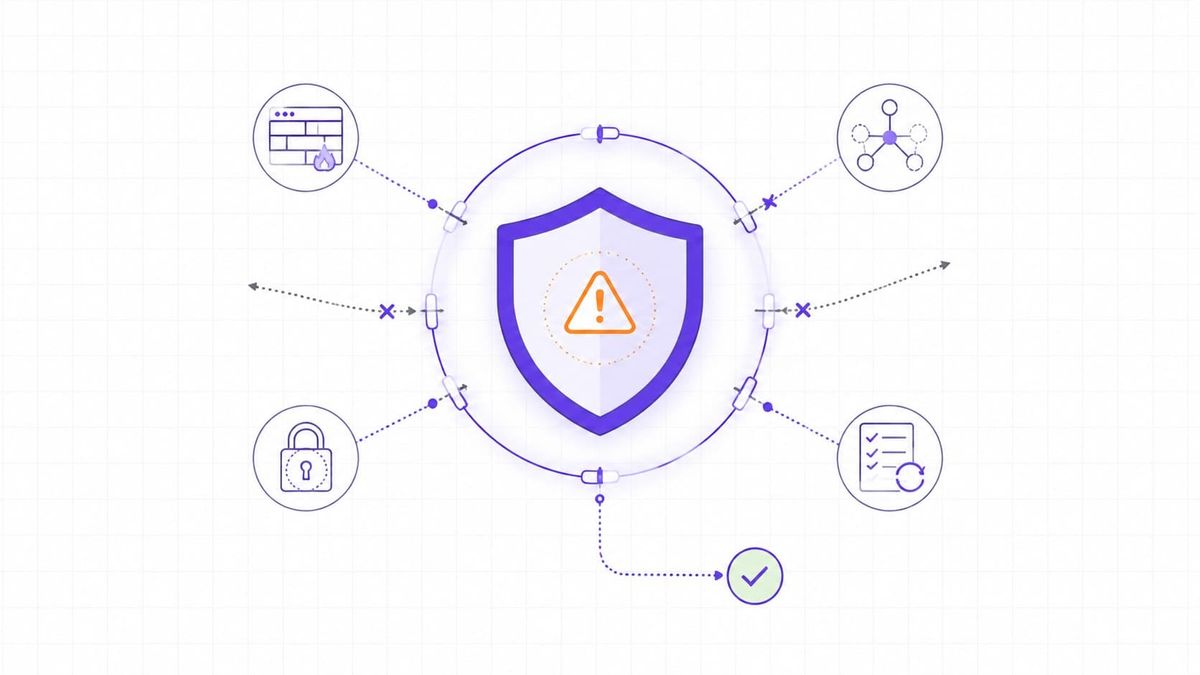
When a patch cannot be applied immediately, reduce the attack path. For example, restrict network access to a management interface, disable an unnecessary service, rotate exposed credentials, or isolate the affected workload. These are temporary controls that require a follow-up date and an owner. They do not make the underlying vulnerability disappear.
Teams also need visibility into assets that were not deliberately added to a scan list. Asset discovery and perimeter monitoring can support the inventory and exposure checks that give prioritization its context.
For the discovery stage itself, vulnerability scanning explains what scanners can identify and where manual validation remains necessary.
Metrics Show Whether Prioritization Changes Outcomes
Measure the workflow by risk reduction, not only ticket volume. A decreasing count of open findings can be misleading if the remaining items are concentrated on critical, exposed assets.
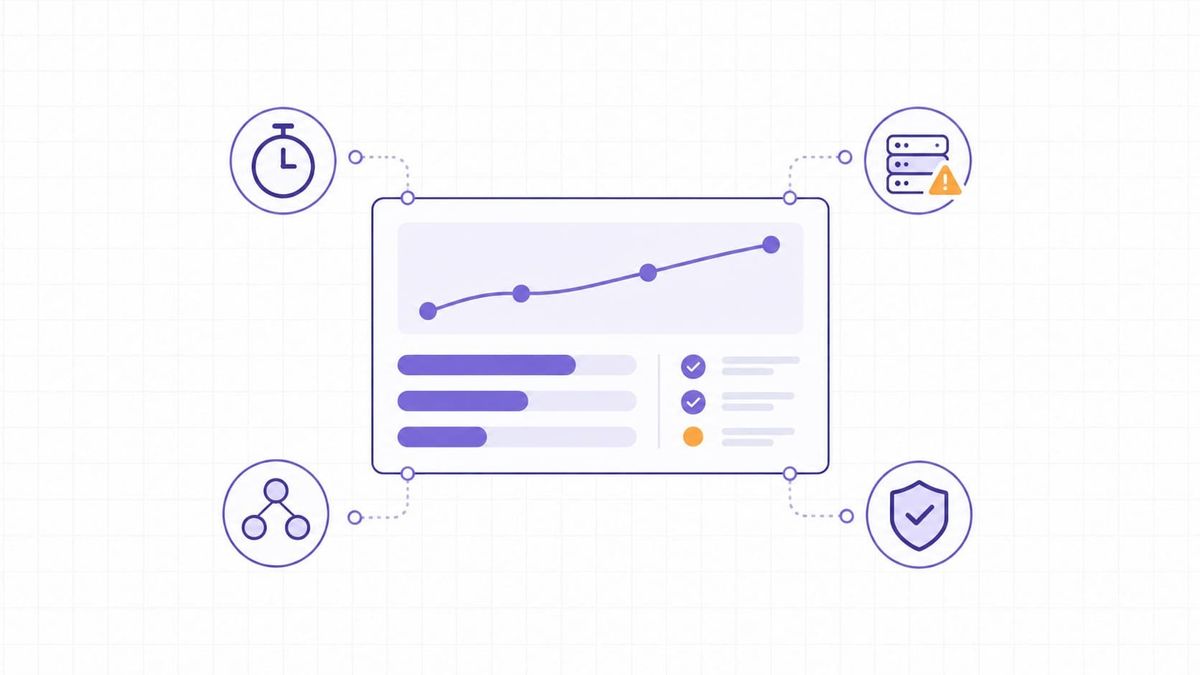
- Time to remediate by priority. Track the time from validated finding to verified remediation for each tier. Compare it with your internal targets and investigate recurring delays.
- Overdue high-priority findings. Count exceptions separately and require an owner, documented reason, compensating control, and review date for each one.
- Exposure-weighted backlog. Report how many unresolved findings affect internet-facing or business-critical assets. This tells leaders more than a single total count.
- Verification and reopen rate. Record whether fixes pass rescanning and how often a finding returns. A high reopen rate may indicate incomplete remediation, rollback problems, or weak asset inventory.
Build A Queue That Makes the Next Decision Clear
An effective vulnerability queue gives each item a reason for its placement: confirmed severity, asset context, exposure, exploitation evidence, owner, action, and due date. That lets a small security or DevOps team explain why one finding is addressed today while another is safely scheduled later.
Start with the assets that matter most, validate scanner output, and make urgent decisions based on evidence rather than a score alone. Review the queue whenever a new advisory, exposed asset, or operational change alters the risk.